

- Published: June 18, 2026
Your Team Wants Mac. Your Business Uses Windows. Here's How to Make Both Work

Most IT systems in businesses today were not originally designed to support multiple device platforms. They evolved over time as companies grew, hired new employees and adopted new ways of working.
Many organisations started with Windows as the standard because it was widely supported, cost-effective and easy to manage at scale. However, as business needs changed, so did the devices people use.
Developers often prefer Mac for its smoother development environment. Designers rely on it for creative workflows. At the same time, core business systems such as finance, operations, and enterprise applications still depend heavily on Windows.
Because of this, most modern companies now operate in a mixed environment with both Mac and Windows devices.
This is no longer an exception. It is the normal reality of today’s workplace.
The real challenge is not choosing between them. It is managing both properly in the same ecosystem.
Employees now expect flexibility in devices
Today’s workforce is more technology-aware than ever before. Employees are not just using tools given to them, they often have strong preferences based on their experience outside of work.
Many technical employees prefer Mac because it feels more efficient for development work. Creative teams often prefer it for design and media-related tasks. At the same time, many essential business applications are still built around Windows environments.
This creates a practical situation for organisations. Different roles require different tools.
Because of this, it is becoming harder for businesses to rely on a single device standard across all departments. Device decisions now need to consider real job requirements, not just IT convenience.
Why one-device standardisation is no longer effective
In the past, standardising all employees on a single operating system made IT management simpler. It reduced complexity and made support easier.
However, in real business environments today, this approach can create limitations.
Employees may not have the right tools for their specific work. Productivity can be affected when the device does not match the role. Some users may also find workarounds that reduce IT control and visibility.
Over time, this does not simplify IT, it restricts it.
Because of this, many organisations are moving away from strict standardisation and focusing instead on flexibility with control.
Moving from device standardisation to device strategy
Modern IT planning is no longer about deciding whether to use Mac or Windows.
It is about building a device strategy that supports different teams in the most effective way.
Instead of enforcing one standard across the entire organisation, companies are now focusing on matching devices to job roles.
When done correctly, Mac and Windows are no longer competing systems. They become part of a single IT ecosystem that supports different functions across the business.
This approach improves both employee experience and operational efficiency.
Where MacBook Neo fits into this shift
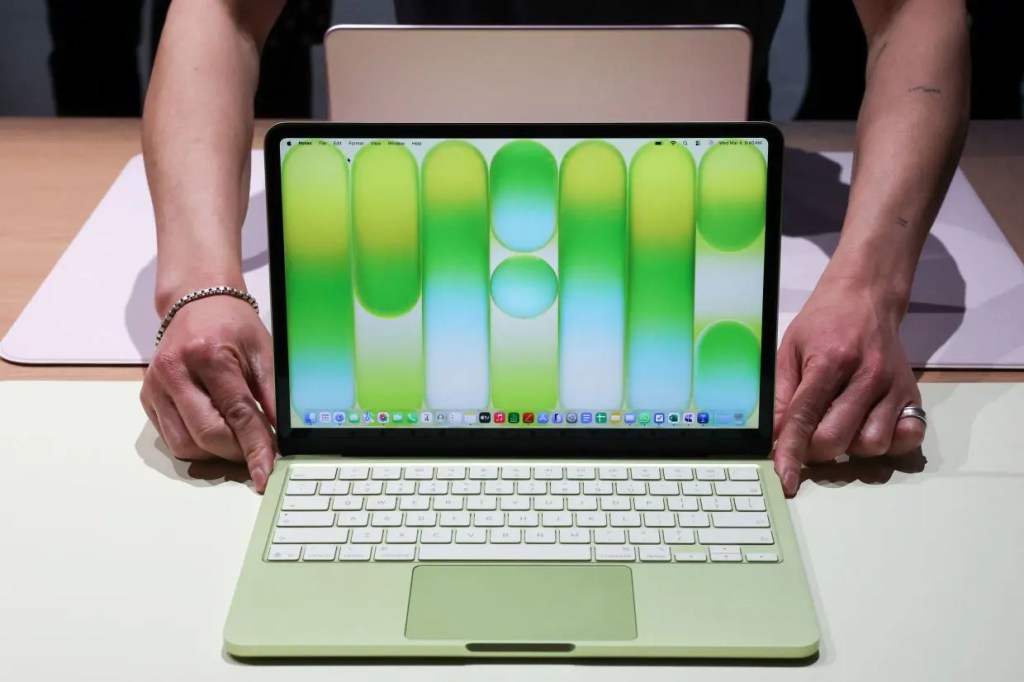
One of the key changes supporting this shift is the increasing accessibility of Apple devices for business use.
With newer entry-level devices such as the MacBook Neo, organisations now have more flexibility when introducing Mac into their environment. Roles that were previously assigned Windows devices purely based on cost can now be re-evaluated.
This does not replace Windows in the enterprise environment. Instead, it expands the options available to IT and business leaders.
As a result, device decisions are increasingly based on role suitability and productivity rather than cost alone.
The real challenge is not devices, but management
Managing both Mac and Windows in one organisation is not difficult when the right foundation is in place. The challenges usually come from inconsistent management practices rather than the platforms themselves.
A properly structured environment usually includes centralised identity management, consistent security policies across all devices, proper endpoint management tools for each platform and full visibility of all devices in the organisation.
When these foundations are correctly implemented, Mac and Windows can operate together without creating additional complexity.
Why enterprise expertise matters in a mixed environment
Although Mac and Windows can coexist in business environments, managing them effectively requires proper expertise across both platforms.
Complete Human Network (CHN) is the first Apple Premium Business Partner and a Jamf Elite Partner in Malaysia giving us strong expertise in Apple device deployment and management at enterprise scale. At the same time, we also specialise in managing mixed environments where Apple and Windows devices need to work together within a single organisation.
Our experience covers building secure and scalable ecosystems that integrate Apple Business Manager, Jamf-based device management and enterprise Windows environments under a unified strategy. This ensures that organisations do not just deploy devices, they manage them properly throughout their entire lifecycle.
Managing the full device lifecycle
A complete IT strategy goes beyond just providing devices to employees. It includes how devices are procured, configured, deployed, managed during use and eventually replaced.
Without a structured lifecycle approach, IT teams often spend too much time reacting to issues instead of proactively managing the environment. This leads to inefficiencies, inconsistent user experiences and higher operational workload.
How Device as a Service helps simplify IT operations
CHN’s Device as a Service (DaaS) model is designed to simplify how organisations manage both Mac and Windows devices. Instead of treating devices as separate assets, DaaS brings everything into a structured and managed framework.
This allows organisations to standardise device deployment, improve consistency across the environment, reduce IT workload and maintain better control over costs and lifecycle planning. With this approach, businesses can scale their device strategy without increasing internal complexity.
What successful organisations do differently
Organisations that successfully manage mixed Mac and Windows environments tend to follow a consistent approach. They ensure there is a single identity system for all users, they use appropriate management tools for each platform and they apply consistent security and compliance standards across all devices.
Most importantly, they design IT systems around business needs rather than forcing business operations to fit a single device standard. This creates a more flexible, scalable and efficient IT environment.
Final thoughts
Most organisations today are already operating in a mixed Mac and Windows environment. The question is no longer whether both can exist together. The question is whether they are being managed in a structured and efficient way.
With the right strategy, businesses can support employee needs, improve productivity and maintain strong control over their IT environment without increasing complexity.
Work with CHN
Complete Human Network (CHN) helps organisations manage both Mac and Windows devices in a unified and structured IT ecosystem.
We specialise in designing and managing environments where Apple and Windows devices work together securely and efficiently under a single strategy.
As the first Apple Premium Business Partner in Malaysia and a Jamf Elite Partner, we bring strong Apple expertise, combined with enterprise Windows integration experience to support full mixed-environment deployments.
Our services include Device as a Service (DaaS), enterprise device lifecycle management, Apple and Windows deployment and Unified Endpoint Management across mixed environments.
If your organisation is planning to introduce Mac into a Windows environment or if you are already managing both and want better control, we can help.
Contact us for a free consultation. We will review your current setup and help you design a more secure, efficient and scalable device strategy.