
Mobile Device Management vs. Traditional IT Management – Which is Right for You?

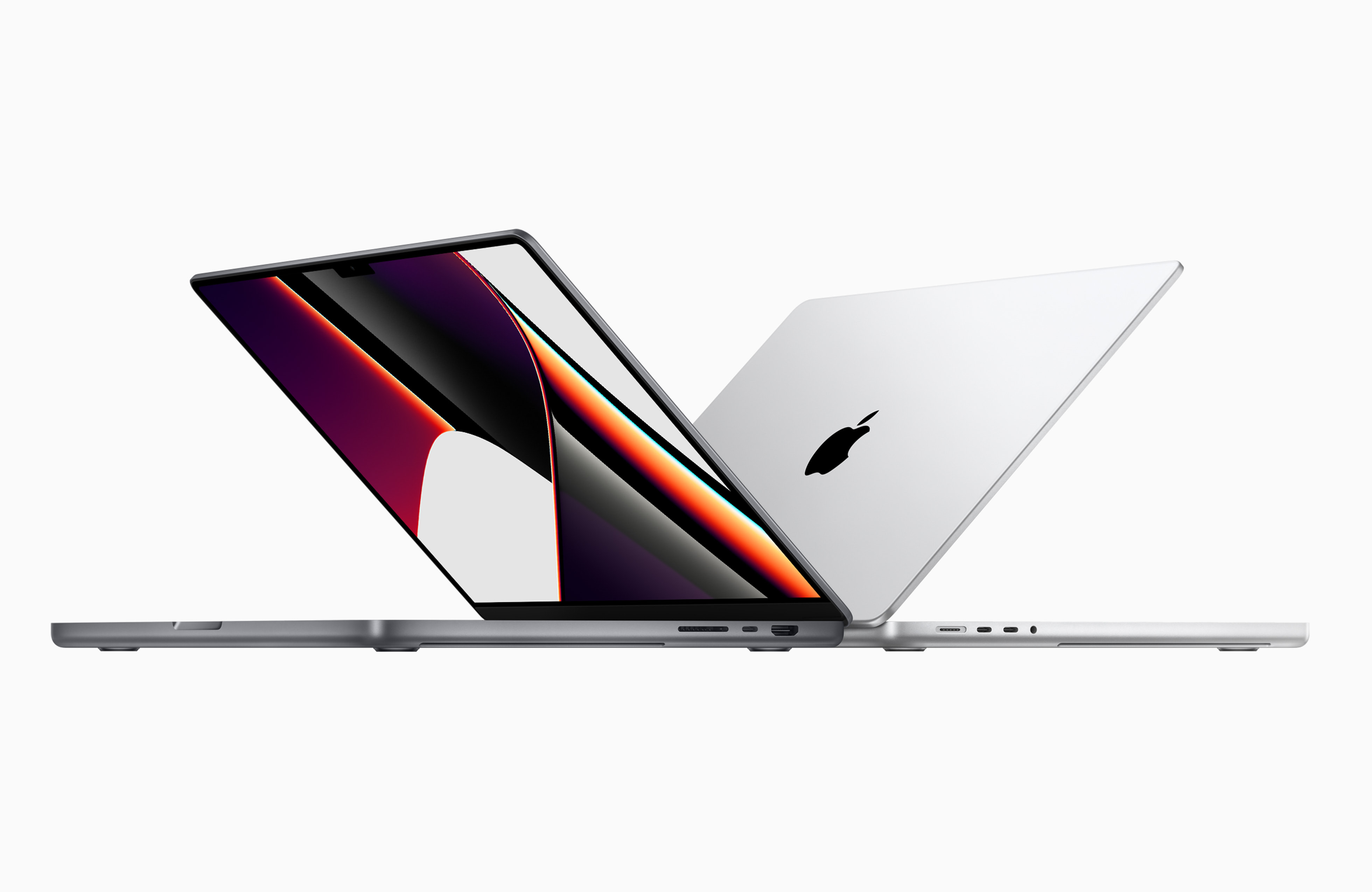
A graphic image shows two laptop device in an office

Deciding between Mobile Device Management (MDM) and traditional IT management can feel like a pivotal choice. Each approach brings unique strengths, depending on how your business operates. This guide will walk you through the key differences to help you make an informed decision.

What is Mobile Device Management (MDM)?

MDM is a modern solution that helps businesses manage and secure mobile devices like smartphones, tablets, and laptops. It offers centralized control through cloud-based platforms, allowing IT administrators to configure devices remotely, push updates, enforce security policies, and track device usage in real time.

Key Benefits of MDM:

• Enhanced Security: Implement device encryption, remote wipe, and password policies.

• Device Monitoring: Real-time tracking and usage analytics.

• Remote Management: Configure and troubleshoot devices without physical access.

• Scalability: Easily manage hundreds or thousands of devices as your business grows.

• User Experience: Supports BYOD (Bring Your Own Device) policies, providing flexibility for employees.

What is Traditional IT Management?

Traditional IT management focuses on on-premises infrastructure, including desktop computers, local servers, and wired networks. It typically involves manual processes, such as configuring devices individually and maintaining physical hardware.

Key Features of Traditional IT Management:

• Physical Control: Direct access to devices and servers.

• Network Dependency: Relies on internal servers and local networks.

• Time-Intensive: Manual updates, installations, and troubleshooting.

• Limited Flexibility: Best suited for stationary setups like offices and call centers.

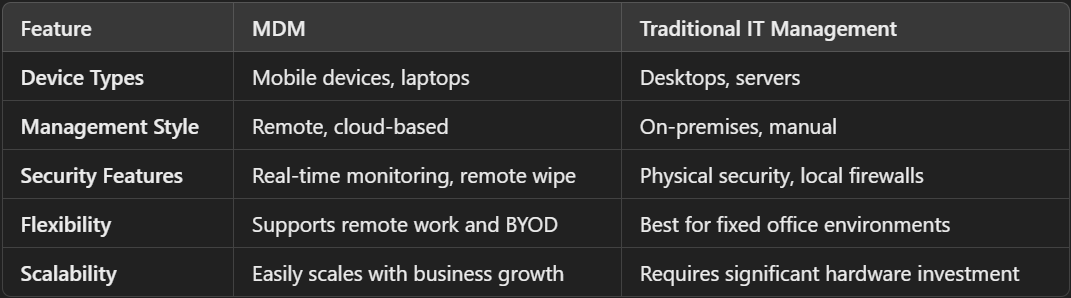
Key Differences Between MDM and Traditional IT Management

Key Differences Between MDM and Traditional IT Management

Choosing MDM: Is It Right for You?

MDM is ideal for businesses with a mobile or hybrid workforce. If your employees work remotely or frequently travel, MDM ensures they stay connected and productive while maintaining security.

When to Stick with Traditional IT Management​

Traditional IT management works well for businesses that rely heavily on on-premises systems. For example, financial institutions with strict data compliance requirements may prefer physical control over their hardware and data.

FAQs

Choosing between MDM and traditional IT management depends on your business model, workforce structure, and long-term goals. For a dynamic, mobile workforce, MDM is a no-brainer. However, for businesses that prioritize on-premises operations, traditional IT management may still hold its ground. Need help deciding? Contact us below for expert advice!

Follow us

Stay updated with the latest insights and developments in MDM solution by following us on LinkedIn and Facebook.

Recent Post

Published: March 26,2026 What Is Apple Business? Features, MDM & Benefits Explained Running a business today isn’t just about delivering products or …

Published: March 4,2026 Turning IT Assets into Long-Term Value with CHN DaaS – AI ready Workplace Platform In many organizations, IT devices …

Published: February 5,2026 Xcode 26.3 Introduces Agentic Coding with Claude & OpenAI Codex Introduction Apple has taken a major step forward in …

Published: January 30,2026 MDM for iOS: How the Japanese School of Johor Simplified iPad Management Introduction: Managing iPads Shouldn’t Be This Hard …

Leave a Comment

Your email address will not be published. Required fields are marked *